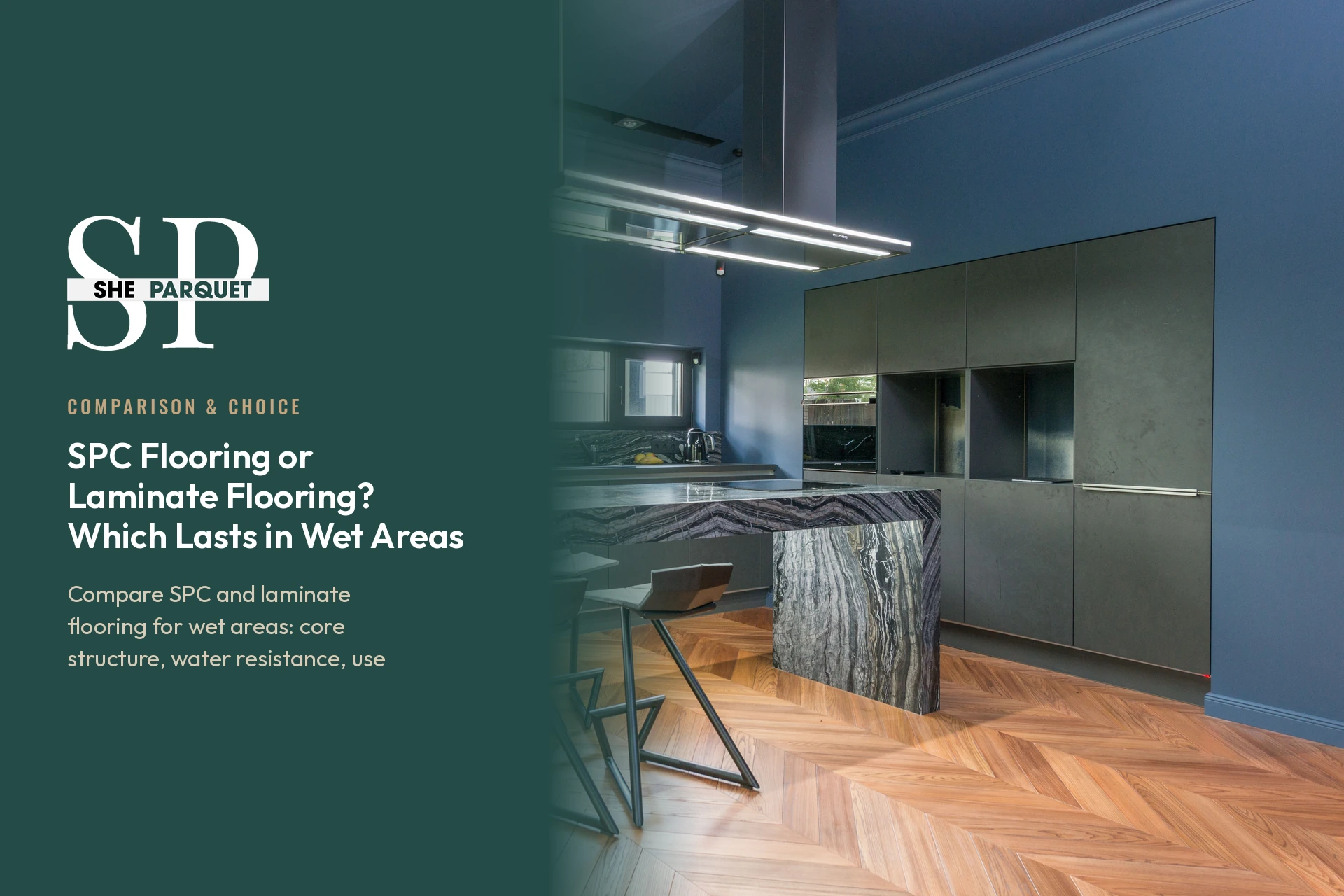
In wet areas, SPC flooring is clearly more durable than laminate. The mineral filled core of SPC does not swell or change dimension when it meets water, while the HDF core of laminate can bubble under prolonged moisture. SPC suits kitchens, bathrooms and laundry rooms, whereas laminate remains the smarter choice for busy dry living spaces.
The Core Structural Difference Between the Two Materials
The difference starts in the carrier layer, not on the surface. Laminate flooring is built on a high density fibreboard (HDF) core, covered with a decor paper and an overlay layer that provides abrasion resistance. SPC flooring instead uses a rigid mineral core produced from limestone powder mixed with PVC, finished with a printed film and a transparent wear layer.
This structural distinction directly determines how each material reacts to water, heat and mechanical load. HDF is wood based and hygroscopic, meaning it absorbs and releases moisture from the surrounding air. The SPC core contains no cellulose, so it does not exchange moisture at all. On the other hand, the wood based structure of laminate feels warmer underfoot and usually offers deeper surface textures.
So the real question is not which product is higher quality, but which product belongs in which room. At She Parquet we handle this decision space by space during project consultancy. For readers who want to dig deeper, the SPC flooring articles section is a thorough starting point.
Wet Area Performance: What Happens on Contact With Water
What decides the outcome is whether the core swells or not. In laminate flooring, the surface layer is protected against water, but once moisture reaches the core through joints or along the skirting edge, the HDF expands in volume. The result is bubbling at the seams, lifting at the edges and permanent deformation that cannot be reversed.
In SPC flooring, the mineral core does not change volume in contact with water. A spilled glass, an overflowing sink or a damp mop will not compromise the panel structure. However, the waterproof claim applies to the panel itself. To prevent water reaching the subfloor and becoming trapped underneath, where it can cause mould, the joint and edge details have to be resolved correctly.
That is why silicone sealing, waterproofing and a correct skirting detail are inseparable parts of an SPC installation in wet volumes. In spaces with a low wet risk but occasional splashing, a high grade laminate with water repellent treatment can also be considered. Under constant moisture, though, the advantage of SPC is beyond debate.
Technical Criteria: Thickness, Use Class and Abrasion
Thickness alone means nothing in a comparison, it must be read together with the use class. Laminate flooring is commonly produced between 8 and 12 mm, and at least AC4 is recommended for homes, while AC5 is advised for busy commercial areas. SPC flooring, thanks to its mineral core, delivers high compression and impact resistance even in thinner sections of 4 to 6 mm.
With SPC, the figure to examine is the transparent wear layer expressed in microns. As this layer gets thicker, resistance to scratching and shoe marks increases. The quality of the locking system is another critical detail, because it determines whether the joints will open over time.
In terms of colour and pattern, both product families offer a wide range. Our article on how laminate flooring selection should be made explains the logic behind choosing the right class and works well as a checklist before you commit.
The Right Choice, Room by Room
The selection should follow the moisture load and the traffic of the room. In bathrooms, laundry rooms, pantries and entrance halls, where contact with water is frequent, SPC is the obvious answer. In kitchens, the zones around the dishwasher, sink and refrigerator are permanently at risk, so a mineral core solution is safer in the long run there as well.
In dry rooms such as the living room, bedroom, study and corridor, laminate flooring stands out with its warmer feel underfoot and its deeper surface texture. In hotel rooms it is also a common approach to change material between the wet volume and the living area.
Pattern decisions change how a space is perceived too. Long planks work well in narrow corridors, while geometric layouts suit wide living rooms. The layout logic described in our piece on herringbone laminate flooring, elegance and durability together can be applied to SPC products as well.
Differences in Installation and Subfloor Preparation
With both materials, success is decided on the subfloor before the first panel is laid. The screed surface must be even, the accepted deviation limits under a 2 metre straightedge must not be exceeded, and installation should not begin before screed moisture falls below the widely accepted level of 2 percent. Laminate laid over a damp screed bubbles quickly, and while SPC will not swell, moisture still gets trapped underneath.
Expansion gaps around walls and fixed elements are mandatory, and a range of 8 to 10 mm is generally preferred in practice. On underfloor heated subfloors, the surface temperature should not exceed 27 degrees Celsius and the heating must be brought up gradually.
SPC is compatible with underfloor heating thanks to its thin section and dimensional stability. With laminate, the choice of moisture barrier and underlay carries extra weight. She Parquet teams run these checks as standard before installation in both residential and hotel projects.
Maintenance, Lifespan and Cost Balance
SPC leads on ease of maintenance, laminate leads on cost flexibility. SPC floors can be wiped with a damp mop, which makes daily cleaning practical in kitchens and wet volumes. With laminate, the mop must be wrung out thoroughly, water should never be left standing on the surface, and spills need to be removed immediately.
When it comes to lifespan, what matters is not the material itself but whether it was used in the right room. An AC5 laminate in a dry living room serves faultlessly for many years, while the same product fails quickly in a wet bathroom. SPC should also be used in line with manufacturer recommendations on facades exposed to heavy sunlight, in terms of colour and dimension.
When budgeting, look beyond the square metre price and include underlay, skirting, profiles and labour. You can review product groups on the SPC flooring page, and compare material logic in the laminate flooring articles section.
Decision Guide: Which One Should You Choose
You can simplify the decision with three questions. First, will the floor face constant or frequent contact with water? If yes, choose SPC. Second, is there underfloor heating in the room? If so, thin section and dimensionally stable SPC solutions offer an advantage. Third, is your priority the natural timber feel underfoot and a deep texture? In that case, a high class laminate in dry areas is the right call.
Mixed solutions are perfectly valid as well. Using laminate in the living spaces of an apartment and SPC in the kitchen and wet volumes balances both budget and performance. When transitions are resolved with suitable profiles, visual integrity is preserved.
Finally, whichever material you select, installation quality accounts for half of the result. She Parquet handles the entire process in residential and hotel projects, from material selection to subfloor preparation and installation.
Frequently Asked Questions
Is SPC flooring really waterproof?
The SPC panel itself has a mineral core, so it does not swell or change dimension in contact with water. For the whole floor system to be waterproof, however, the joint, edge and skirting details must be applied correctly. Otherwise water can seep beneath the panels and create a moisture problem.
Can laminate flooring be installed in a bathroom?
Laminate flooring is not recommended in bathrooms with constant moisture and direct water contact. Once the HDF core absorbs water, bubbling and edge lifting turn into irreversible damage. In these areas, waterproof solutions such as SPC flooring or ceramic tile should be preferred.
Which is better for underfloor heating, SPC or laminate?
SPC flooring is usually more compatible with underfloor heating because of its thin section and dimensional stability. Laminate can also be used with the right product and underlay. In both cases the floor surface temperature should not exceed 27 degrees Celsius and the heating must be activated gradually.
Which use class should be chosen for laminate flooring?
At least AC4 is recommended for living areas in homes. AC5 should be preferred in high traffic spaces such as offices, shops and hotels. On thickness, the 8 to 12 mm range is common, and as thickness increases both footfall sound and the feel underfoot improve.
What should the screed moisture be before installation?
The widely accepted rule in the sector is that flooring should not be installed before screed moisture drops below 2 percent. Moisture readings should be taken with a suitable device at several different points. In addition, an expansion gap of roughly 8 to 10 mm around walls prevents the risk of bubbling.
-
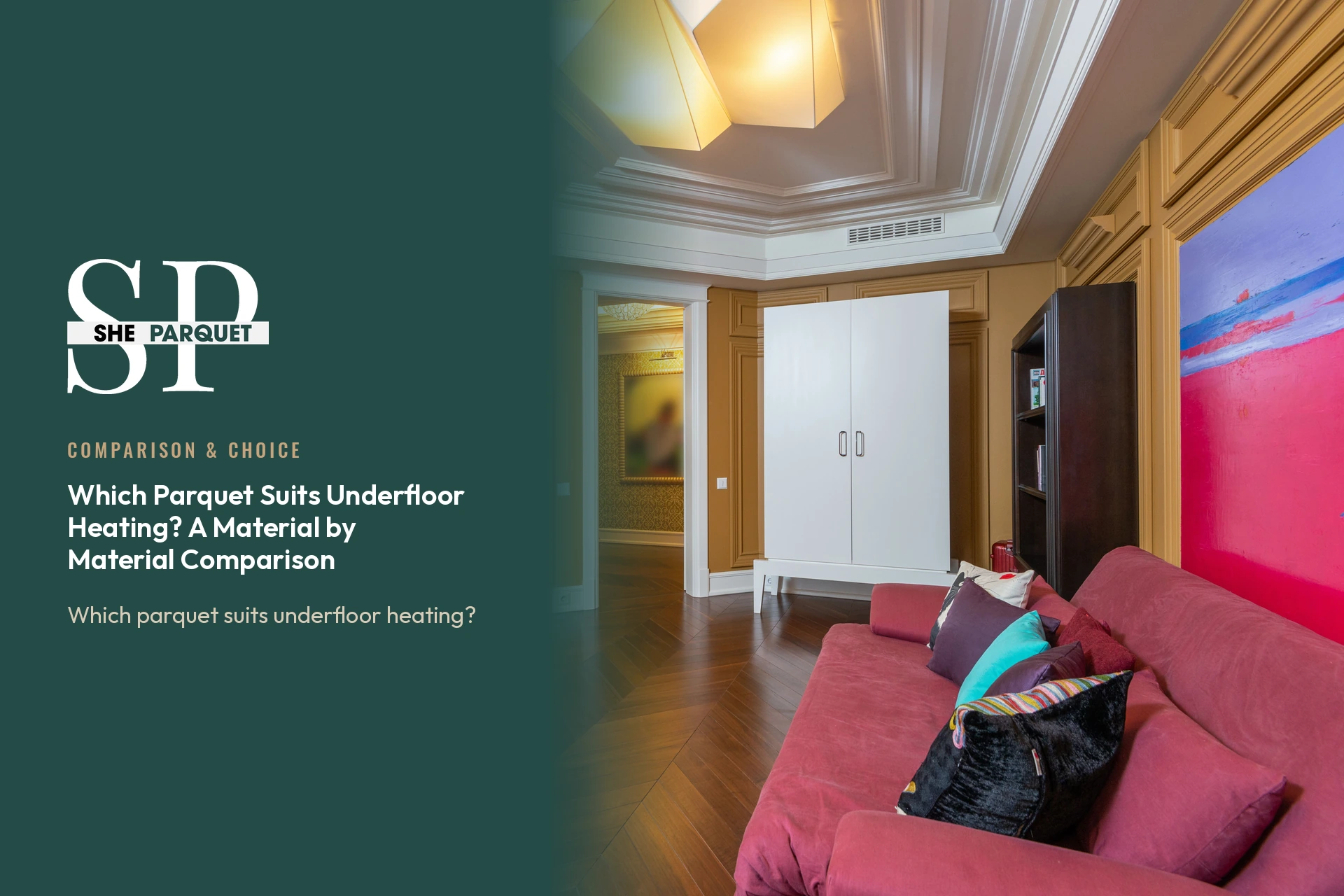
Which Parquet Suits Underfloor Heating? A Material by Material Comparison
-
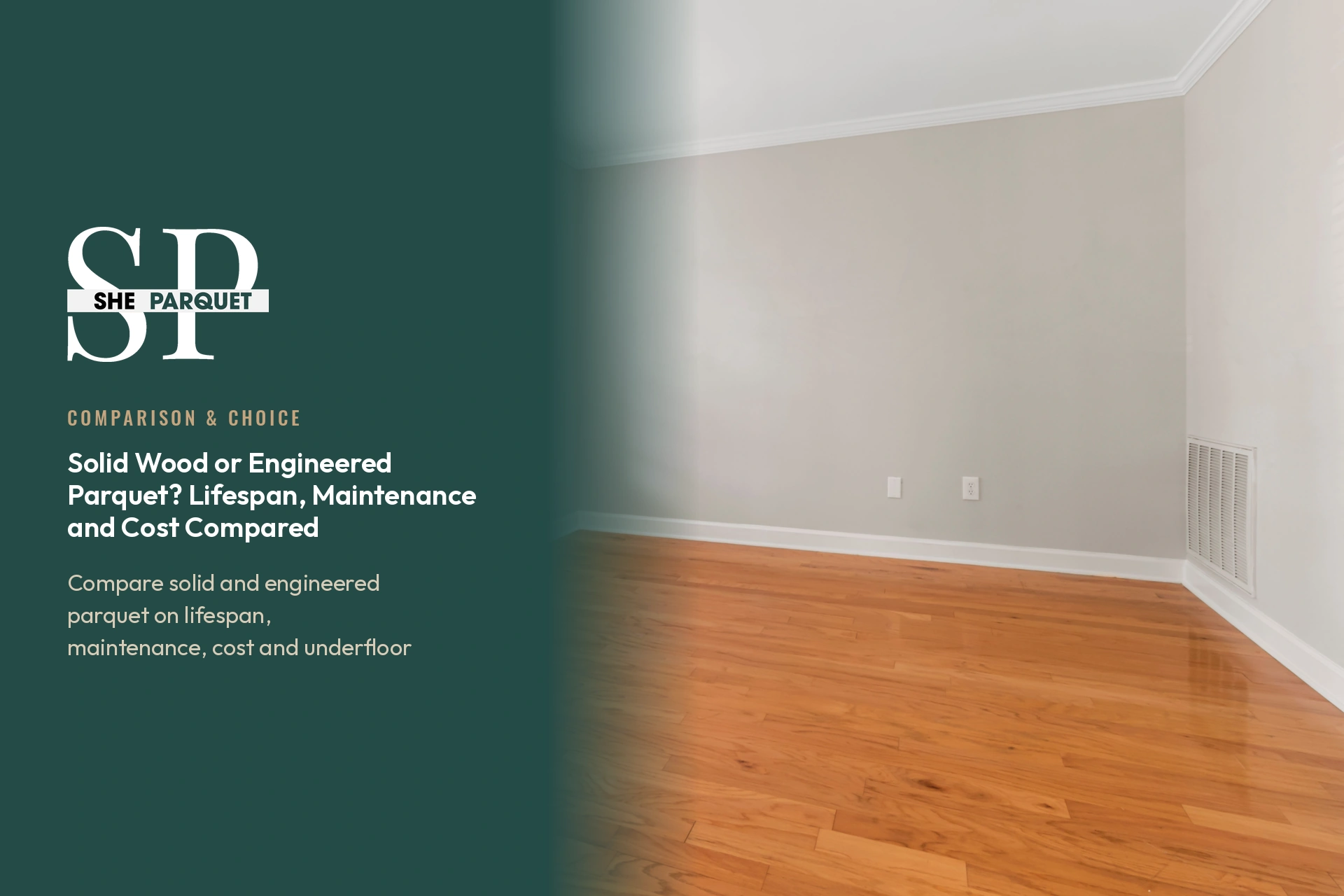
Solid Wood or Engineered Parquet? Lifespan, Maintenance and Cost Compared
-
Why Expansion Gaps Matter: The Real Cause of Buckling and Gapping
-
How to Clean Parquet: 5 Rights and 5 Wrongs in Daily Care
-
Screed Moisture and Subfloor Preparation: 6 Checks Before Laying Parquet
-
Autumn Parquet Care: What Changes Underfoot as Humidity Drops
-
Pre-Winter Parquet Check: A 7 Point Seasonal Checklist
-
Hungarian Laminate Flooring