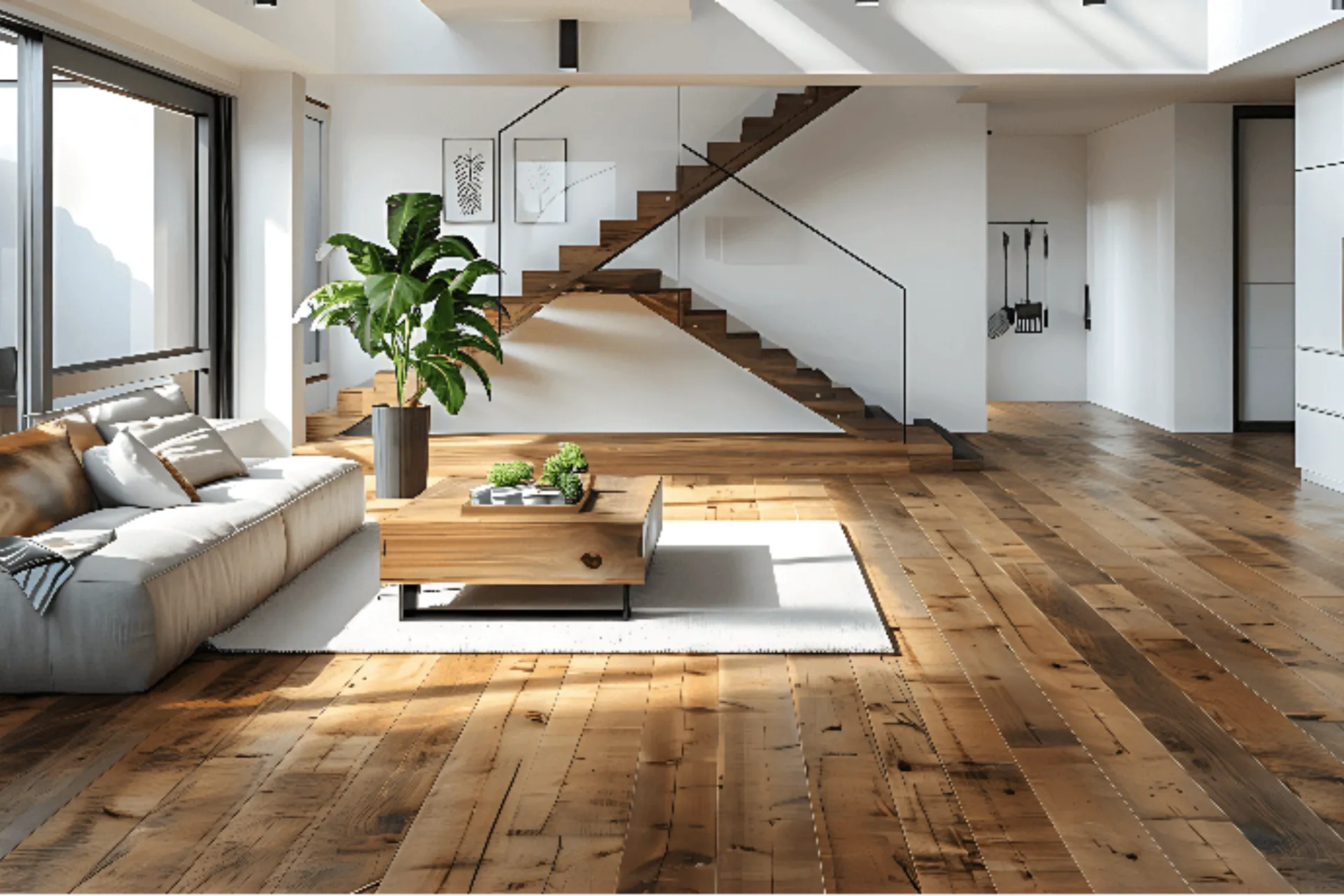
To stand out professionally in flooring, it is essential to have comprehensive knowledge about one of the most common challenges: the relationship between moisture and wood. With the right practices and understanding, you can ensure that parquet flooring is long-lasting and resistant to deformation. Here are the key points flooring professionals need to know about moisture and wood interaction.
Why is the Relationship Between Wood and Moisture Important?
Wood is a natural material and changes shape depending on the humidity of its environment. When humidity is high, wood expands; when it is low, wood contracts. Therefore, the humidity level of the area where parquet will be installed must be properly controlled. Otherwise, issues such as cracking, warping, or displacement may occur after installation.
Practical Steps for Moisture Control
Measuring Ambient Humidity: The ideal humidity level in the installation area should be between 45% and 60%. If humidity is high, dehumidifiers or proper ventilation should be used to lower it. If it is low, humidifiers should be used before installation to add moisture to the environment.
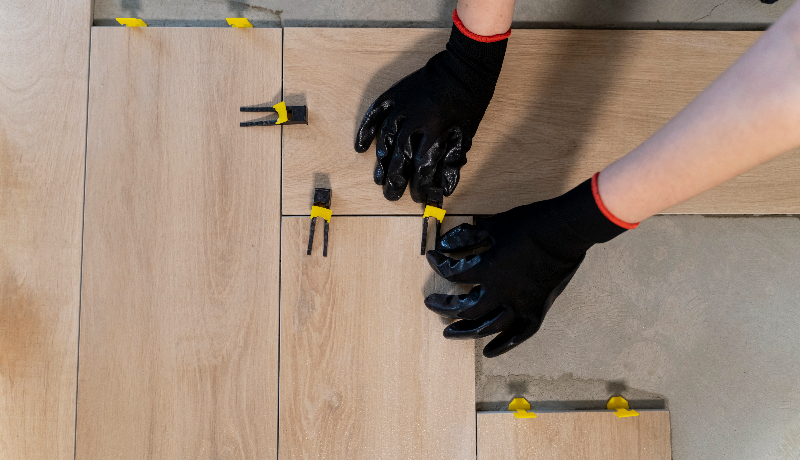
Acclimatization of Wooden Parquet: Regardless of whether imported or locally produced, parquet must be left in the installation area for at least 48 hours prior to installation. This process allows the wood to adapt to the ambient humidity and reduces the risk of deformation after installation.
Compatibility with Underfloor Heating Systems:
Underfloor heating requires special attention for wooden parquet, as temperature changes can cause expansion and contraction. If parquet is to be installed in areas with underfloor heating, the system should be tested beforehand and operated at lower temperature levels.
Choosing Moisture-Resistant Materials:
Especially in humid environments or on ground floors, special water-resistant types of parquet should be preferred. Engineered wood flooring and certain laminate types are more resistant to humidity changes, offering significant advantages in such spaces.
Advantages of Ensuring Moisture and Wood Compatibility
Long-Lasting Flooring: Parquets installed with proper humidity control remain durable without deformation for much longer.
Customer Satisfaction: Minimizing potential issues after installation increases customer satisfaction.
Professionalism: By performing moisture checks before installation, you demonstrate a quality-focused approach and highlight your expertise.
In conclusion, ensuring moisture and wood compatibility in parquet flooring is indispensable for both high-quality workmanship and customer satisfaction. By following these steps before installation, you can achieve long-lasting, durable, and aesthetic results.
-
Sustainable Materials and Smart Technologies

-
The Art of Parquet and the Harmony of Nature

-
History of Parquet and Its Place in Mythology
-
Natural Touches to Your Dream Spaces with She Parquet
-
Aston Louis Parquet: The Address of Luxury and Quality in Türkiye

-
Parquet and Decoration: How to Complement Your Style
-
With Professional Parquet Applications in Every Point of Istanbul - She Parquet
-
Bring Flashy Imported Flooring to Your Space with She Parquet